

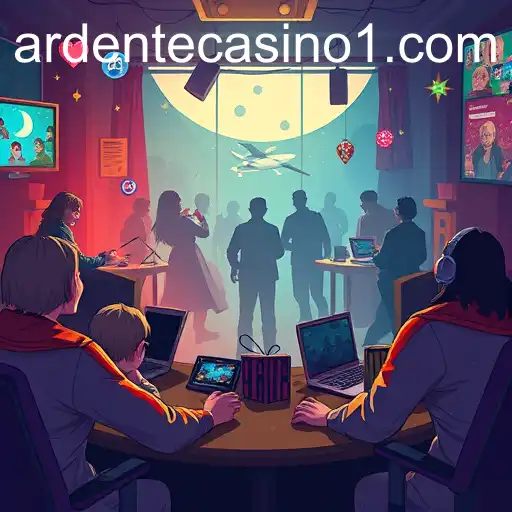
Exploring the Impact of Player Communities in Online Gaming
In the dynamic world of online gaming, player communities play a pivotal role in shaping the gaming experience. These communities, often built around shared interests and mutual goals, significantly enhance player engagement and retention. A standout concept in the realm is "coroawin," a term that encapsulates the collaborative spirit within these communities. This article delves into how player communities function and their contributions to the gaming landscape.
The Essence of Player Communities
Player communities are social constructs within gaming platforms where individuals connect, share insights, and collaborate. These communities can form around specific games, genres, or even gaming platforms. The advent of social media and advanced communication tools has further propelled their growth, making them an integral aspect of the gaming ecosystem.
"Coroawin" embodies the synergy and shared triumphs experienced by players within a community. It encapsulates the collective efforts that lead to shared victories, fostering a sense of camaraderie among members. In many multiplayer games, the concept of "coroawin" is pivotal in achieving success, as teamwork and strategy often outweigh individual prowess.
The Role of Communication in Player Communities
Communication is the cornerstone of any successful player community. Platforms such as Discord, Reddit, and in-game chat functions enable players to share strategies, seek advice, and organize gameplay sessions. Effective communication tools help players coordinate seamlessly, allowing for real-time problem-solving and strategy adjustments.
The concept of "coroawin" thrives on efficient communication. Players are more likely to succeed when they can articulate their strategies and adapt them based on real-time feedback from their peers. This cohesive communication often leads to better gameplay experiences and more significant achievements.
Case Study: Coroawin in Action
A notable example of "coroawin" is seen in MMORPGs (Massively Multiplayer Online Role-Playing Games), where guilds or clans operate as micro-communities. These groups unite players with similar objectives, facilitating shared achievements through coordinated efforts. Whether it's raiding a dungeon or conquering a territory, the collective power of a well-communicated guild often results in spectacular victories.
The Benefits of Player Communities
- Social Interaction: Player communities provide a platform for social interaction, enabling gamers to form friendships and bonds that extend beyond the virtual world. This interaction is crucial for players seeking a sense of belonging.
- Knowledge Sharing: Communities are repositories of information where players can learn from each other's experiences. From game mechanics to best practices, the exchange of knowledge is a valuable asset.
- Emotional Support: Player communities offer emotional support, providing a safe space for gamers to express frustrations and celebrate achievements. This support fosters a positive gaming environment.
- Enhanced Gameplay: Through collaboration, players can tackle more complex game challenges, unlocking content that might be inaccessible to solo players. "Coroawin" is evident as players combine forces to achieve goals.
Challenges Facing Player Communities
Despite their numerous benefits, player communities face challenges that can hinder their growth and effectiveness. Toxic behavior, such as trolling and harassment, can disrupt the harmonious dynamics. Maintaining a friendly and inclusive atmosphere requires active moderation and community management.
Another challenge is the strain on communication channels. As communities grow, coordinating efforts and ensuring every member is heard can become increasingly complex. Adopting clear communication guidelines and leveraging organizational tools are essential to address these challenges.
Future Trends: The Evolution of Player Communities
The landscape of player communities is continually evolving, shaped by technological advancements and changing player expectations. Innovations like virtual reality (VR) and augmented reality (AR) are set to revolutionize how players interact with each other and experience games. The immersive nature of these technologies has the potential to deepen community engagement further.
Moreover, the role of "coroawin" may expand as gaming experiences become more collaborative and team-oriented. Game developers are likely to integrate features that facilitate team play and community building, recognizing their importance in player retention and game longevity.
Conclusion
The flourishing existence of player communities is a testament to the power of collective gaming experiences. "Coroawin" highlights the triumphs achieved through collaboration, underscoring the importance of fostering strong, communicative, and supportive gaming environments. As the world of online gaming continues to evolve, the role of player communities is likely to become even more central to the gaming experience.
Understanding and nurturing these communities will be essential for developers, publishers, and players alike as they navigate the future of interactive entertainment.